 By Akash Sharma
 Mental health is just as important as physical health. It affects how we think, feel, make decisions, handle stress, and interact with others. While everyone experiences challenges, building healthy daily habits can strengthen emotional well-being, improve resilience, and help maintain a positive outlook on life. The good news is that improving mental health does not always require major life changes. Small, consistent habits can make a significant difference over time.
Just as regular exercise supports physical fitness, positive routines can support mental wellness. By intentionally creating habits that nurture your mind and emotions, you can develop greater balance, reduce stress, and improve your overall quality of life.
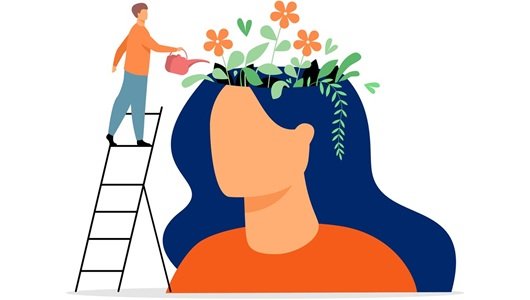
Understand the Importance of Daily Habits
Mental health is influenced by everyday actions. The way you manage your time, relationships, thoughts, and physical well-being can either support or weaken your emotional health.
Positive habits can help:
- Reduce stress and anxiety
- Improve mood and emotional stability
- Increase self-confidence
- Strengthen resilience
- Improve focus and productivity
- Support healthy relationships
Because habits are repeated consistently, even small positive actions can produce meaningful long-term benefits.
Start With Small and Manageable Changes
One common mistake people make is trying to transform their lives all at once. While enthusiasm is valuable, major changes can quickly become overwhelming.
Instead, focus on small habits such as:
- Taking a short walk each day
- Practicing gratitude for a few minutes
- Drinking more water
- Going to bed slightly earlier
- Spending time away from screens
Small habits are easier to maintain. Furthermore, they create momentum that encourages additional positive changes.
Prioritize Quality Sleep
Sleep plays a crucial role in mental health. Lack of sleep can increase stress, reduce concentration, and negatively affect mood.
To improve sleep quality:
- Maintain a consistent sleep schedule.
- Avoid excessive screen time before bed.
- Create a relaxing bedtime routine.
- Keep your sleeping environment comfortable.
- Limit caffeine late in the day.
Better sleep often leads to improved emotional regulation, increased energy, and greater mental clarity.
Practice Gratitude Daily
Gratitude helps shift attention away from problems and toward positive aspects of life. Although challenges may still exist, recognizing what is going well can improve overall perspective.
Simple gratitude practices include:
- Writing down three things you appreciate each day.
- Reflecting on positive experiences.
- Expressing appreciation to others.
- Keeping a gratitude journal.
Over time, gratitude can strengthen optimism and improve emotional well-being.
Stay Physically Active
Physical activity benefits both the body and the mind. Exercise releases chemicals that support positive mood, reduce stress, and improve overall mental health.
You do not need an intense fitness program to experience benefits.
Activities may include:
- Walking
- Cycling
- Yoga
- Swimming
- Stretching
- Strength training
Even moderate movement performed consistently can improve emotional health and increase energy levels.
Limit Negative Information Consumption
Constant exposure to negative news, social media comparisons, and online conflicts can increase stress and anxiety.
To protect your mental well-being:
- Set limits on social media use.
- Take breaks from news consumption.
- Follow positive and educational content.
- Avoid excessive comparison with others.
Creating healthy boundaries around information allows your mind to focus on more constructive influences.
Build Strong Social Connections
Human connection plays a vital role in mental health. Supportive relationships provide encouragement, understanding, and a sense of belonging.
Make time to:
- Connect with family members.
- Spend time with friends.
- Join community groups.
- Participate in shared activities.
- Reach out to others regularly.
Strong relationships often help people cope more effectively with life’s challenges.
Practice Mindfulness
Mindfulness involves paying attention to the present moment without judgment. It can reduce stress, improve focus, and increase self-awareness.
Simple mindfulness practices include:
- Deep breathing exercises
- Meditation
- Mindful walking
- Journaling
- Paying attention to daily activities
By focusing on the present rather than dwelling on the past or worrying about the future, you can create a greater sense of calm and balance.
Set Healthy Boundaries
Many people experience stress because they struggle to protect their time and energy. Healthy boundaries help prevent burnout and support emotional well-being.
Examples include:
- Saying no to unnecessary commitments
- Limiting interactions that drain energy
- Protecting personal time
- Managing work-life balance
- Communicating needs clearly
Boundaries allow you to prioritize your mental health without feeling guilty.
Engage in Activities You Enjoy
Life should include more than responsibilities and obligations. Participating in enjoyable activities supports emotional health and provides opportunities for relaxation.
Consider making time for:
- Reading
- Music
- Gardening
- Creative hobbies
- Sports
- Spending time outdoors
Enjoyable activities can reduce stress and create positive experiences that contribute to overall well-being.
Practice Positive Self-Talk
The way you speak to yourself has a powerful influence on mental health. Negative self-talk can increase stress and lower self-esteem.
Instead of focusing on self-criticism:
- Acknowledge your efforts.
- Recognize your progress.
- Treat yourself with compassion.
- Focus on learning and growth.
A supportive inner dialogue encourages resilience and emotional strength.
Be Consistent and Patient
Mental health habits require time to produce lasting results. Therefore, patience and consistency are essential.
Remember:
- Progress may be gradual.
- Small improvements matter.
- Setbacks are normal.
- Consistent habits create lasting change.
Rather than seeking immediate transformation, focus on making positive choices each day.
Final Thoughts
Creating habits that improve mental health is one of the most valuable investments you can make in your overall well-being. By prioritizing sleep, practicing gratitude, staying active, building supportive relationships, setting healthy boundaries, and developing positive daily routines, you can strengthen your emotional resilience and improve your quality of life.
Most importantly, remember that mental wellness is a journey, not a destination. Small actions performed consistently can create meaningful changes over time. Start with one or two simple habits, remain patient with yourself, and gradually build a lifestyle that supports a healthier, happier, and more balanced mind.