 By Akash Sharma
 New Delhi stands as the administrative heart of India, where wide avenues, planned layouts, and institutional landmarks define its character. Within this structured environment, Red Cross Road holds a notable position as a central corridor that connects important administrative zones and urban spaces in New Delhi. Although it does not function as a typical commercial street, it plays a crucial role in facilitating movement across key government and civic areas.
Over time, Red Cross Road has developed into a significant urban stretch that supports official, residential, and transit needs. Because it lies close to prominent administrative districts and major roads, it attracts government employees, commuters, and visitors. Moreover, its connectivity to surrounding institutional zones enhances its importance. As a result, Red Cross Road continues to contribute to the structured functioning of the capital city.
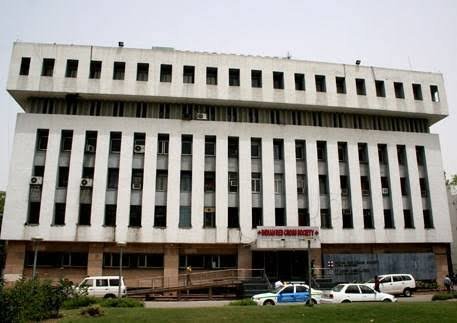
Quick Overview of Red Cross Road
| Category | Details |
| Location | Central New Delhi |
| Key Roads | Connection to major arterial roads in central Delhi |
| Nearby Areas | Connaught Place, Mandi House, Barakhamba Road |
| Area Type | Administrative and institutional zone |
| Key Landmark | Red Cross institutional presence |
| Development Status | Well-established and centrally managed |
| Property Type | Government offices, institutional buildings |
| Environment | Planned, organized, and relatively less congested |
Location and Connectivity
Red Cross Road enjoys a strategic location in the central zone of New Delhi. Because it connects directly to major arterial roads, it ensures seamless access to administrative and commercial districts.
Moreover, nearby areas such as Connaught Place and Mandi House strengthen connectivity. Therefore, commuters can travel easily to business hubs, cultural centers, and government offices. In addition, Barakhamba Road enhances access to financial and corporate zones.
Furthermore, the road benefits from a well-planned layout typical of central Delhi. Consequently, Red Cross Road remains an important connector within the capital’s core.
Facilities and Infrastructure
Red Cross Road offers facilities that align with its administrative and institutional character. Because the area serves government and civic functions, infrastructure remains well-maintained and organized.
Key facilities include:
- Government offices and administrative buildings
- Healthcare institutions and service centers
- Banks, ATMs, and financial institutions
- Cafeterias and limited retail outlets
- Public spaces and landscaped surroundings
Additionally, the presence of organized infrastructure ensures efficient functioning. At the same time, the area benefits from continuous maintenance and civic planning.
Advantages of Red Cross Road
Red Cross Road offers several advantages that make it a significant location in New Delhi. Its central positioning and structured environment stand out clearly.
Major advantages include:
- Prime location in central administrative Delhi
- Excellent connectivity to major roads and transit points
- Proximity to government offices and institutional zones
- Well-maintained infrastructure and organized layout
- Access to essential services within short distances
- Strategic importance for official and civic activities
Moreover, the area supports efficient movement. Because of its planned design, it offers a smoother experience compared to more congested parts of the city.
Challenges and Limitations
Despite its strengths, Red Cross Road faces certain challenges related to its central location and administrative role. These issues require ongoing management.
Key challenges include:
- Traffic congestion during peak office hours
- Restricted access in certain zones due to security measures
- Limited commercial activity compared to other central areas
- Parking constraints near government buildings
- High dependency on regulated infrastructure
However, authorities continue to address these concerns. For example, traffic control measures and security planning aim to maintain order and accessibility.
Lifestyle and Living Experience
Red Cross Road does not offer a typical residential lifestyle, yet it contributes to the broader urban experience of central Delhi. Because of its institutional nature, it supports a professional and structured environment.
Lifestyle highlights include:
- Proximity to cultural and commercial hubs such as Connaught Place
- Access to organized public spaces and civic infrastructure
- Availability of essential services for professionals
- Calm and orderly surroundings compared to busy markets
- Suitable for government employees and office-goers
Furthermore, the area provides convenience for those working in nearby offices. As a result, it remains an important part of daily professional life in the city.
Transportation and Commute Options
Transportation plays a crucial role in defining the importance of Red Cross Road. Fortunately, the area offers multiple commuting options that support efficient travel.
Key transportation options include:
- Extensive public bus services connecting central Delhi
- Easy access to major metro stations nearby
- Availability of auto-rickshaws and app-based cab services
- Well-developed road network for private vehicles
- Connectivity to railway stations and other transit hubs
Because of these options, commuters can travel across New Delhi with ease. Consequently, Red Cross Road remains a key transit corridor.
Real Estate and Growth Potential
The real estate landscape around Red Cross Road reflects its administrative significance rather than residential expansion. As a result, development focuses primarily on institutional and office spaces.
Growth drivers include:
- Central location within the capital city
- High demand for office and institutional spaces
- Proximity to business and financial hubs
- Strong infrastructure and civic planning
- Long-term strategic importance
Moreover, surrounding areas such as Connaught Place offer commercial opportunities. Therefore, the region continues to maintain high value despite limited residential development.
Conclusion
Red Cross Road stands as an important urban corridor that reflects the administrative and planned nature of New Delhi. Because of its strategic location, strong connectivity, and institutional significance, it continues to support the functioning of the capital city.
Although challenges such as congestion and access restrictions persist, the overall outlook remains stable. With well-maintained infrastructure, excellent transport options, and central accessibility, the area offers both efficiency and importance.
Therefore, Red Cross Road represents more than just a roadway. It serves as a structured and essential part of New Delhi’s urban framework, where governance, connectivity, and organization come together to define the city’s core.