 By Akash Sharma
 The fitness and wellness industry has experienced tremendous growth over the past decade. Increasing awareness about health, physical fitness, sports performance, and preventive healthcare has created strong demand for qualified fitness trainers, coaches, and wellness professionals. Today, fitness training is no longer limited to gym instruction. It has evolved into a specialized profession that includes athletic performance coaching, strength and conditioning, rehabilitation support, online fitness coaching, corporate wellness, and lifestyle management.
For students and graduates in Physical Education, Sports Science, Exercise Science, Health Education, and related disciplines, fitness training and coaching offer rewarding career opportunities with excellent earning potential. Many professionals work with athletes, fitness enthusiasts, corporate clients, healthcare organizations, and sports teams, while others build successful independent businesses.
Whether your passion lies in helping individuals achieve fitness goals or improving athletic performance, the fitness industry offers diverse and high-growth career pathways.
Why Choose a Career in Fitness Training and Coaching?
Fitness professionals play a critical role in helping people improve health, strength, mobility, and overall well-being.
Key benefits of this career field include:
- Growing industry demand
- Attractive earning potential
- Opportunities for entrepreneurship
- Flexible work environments
- Diverse specialization options
- Strong long-term growth prospects
As more people prioritize healthy lifestyles, the demand for skilled fitness professionals continues to increase.
Top High-Paying Fitness Training and Coaching Career Options
1. Personal Fitness Trainer
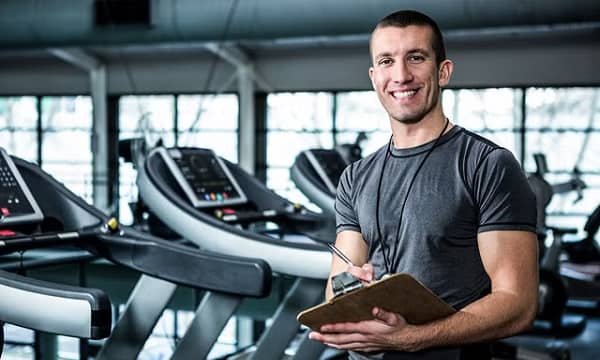
Personal Trainers work directly with clients to help them achieve specific fitness and health goals.
Key responsibilities include:
- Conducting fitness assessments
- Designing workout programs
- Monitoring client progress
- Providing exercise guidance
- Supporting lifestyle improvements
Experienced trainers often earn substantial income through private coaching and premium services.
2. Strength and Conditioning Coach
Strength and Conditioning Coaches help athletes improve physical performance, strength, speed, and endurance.
Responsibilities include:
- Developing specialized training plans
- Enhancing athletic performance
- Preventing sports injuries
- Monitoring physical development
- Supporting competitive preparation
Professional sports teams frequently employ these specialists.
3. Sports Performance Coach
Sports Performance Coaches focus on maximizing athletic capabilities through advanced training techniques.
Their duties may include:
- Evaluating athletic performance
- Creating customized programs
- Improving movement efficiency
- Supporting recovery strategies
- Monitoring training outcomes
This specialization is highly valued in competitive sports environments.
4. Online Fitness Coach
Online Fitness Coaches provide training and wellness guidance through digital platforms.
Responsibilities include:
- Creating virtual fitness programs
- Conducting online consultations
- Monitoring client progress remotely
- Providing nutritional guidance
- Building digital fitness communities
Technology has significantly expanded opportunities in online coaching.
5. Fitness Center Manager
Fitness Center Managers oversee gym operations and ensure successful business performance.
Key responsibilities include:
- Managing staff
- Supervising daily operations
- Developing membership programs
- Supporting business growth
- Maintaining service quality
Leadership positions in large fitness organizations often offer attractive compensation.
6. Corporate Wellness Coach
Corporate Wellness Coaches design programs that improve employee health and productivity.
Their work involves:
- Conducting wellness assessments
- Organizing fitness initiatives
- Promoting healthy habits
- Supporting workplace well-being
- Evaluating program effectiveness
Corporate wellness has become a rapidly growing sector.
7. Rehabilitation Fitness Specialist
Rehabilitation Specialists assist individuals recovering from injuries or physical limitations.
Responsibilities include:
- Designing recovery-focused programs
- Supporting physical rehabilitation
- Monitoring client progress
- Improving mobility and strength
- Collaborating with healthcare professionals
This role combines fitness expertise with healthcare applications.
8. Group Fitness Instructor
Group Fitness Instructors lead exercise classes and motivate participants to achieve fitness goals.
Key duties include:
- Conducting group sessions
- Demonstrating exercise techniques
- Encouraging participant engagement
- Maintaining safety standards
- Adapting programs for different fitness levels
Popular specialties include functional training, strength classes, and aerobic conditioning.
9. Athletic Development Coach
Athletic Development Coaches work with young athletes and sports teams to build foundational physical skills.
Responsibilities may include:
- Developing training plans
- Improving agility and coordination
- Enhancing physical conditioning
- Supporting long-term athlete development
- Monitoring performance progression
Youth sports programs increasingly seek these professionals.
10. Fitness Consultant and Entrepreneur
Fitness Consultants provide expert advice on fitness programs, wellness strategies, and business development.
Their responsibilities include:
- Conducting fitness evaluations
- Advising organizations
- Developing wellness strategies
- Supporting fitness businesses
- Creating specialized training solutions
Many successful professionals establish independent fitness brands and consulting services.
Emerging Opportunities in Fitness and Coaching
The fitness industry continues to create new career paths, including:
- Fitness Technology Specialist
- Wellness App Consultant
- Performance Data Analyst
- Virtual Fitness Program Developer
- Lifestyle Transformation Coach
- Sports Recovery Specialist
Technology and digital health trends are reshaping the industry.
Industries Hiring Fitness Professionals
Fitness and coaching professionals can find opportunities in:
- Fitness centers and gyms
- Sports academies
- Professional sports teams
- Healthcare facilities
- Corporate wellness programs
- Educational institutions
- Rehabilitation centers
- Wellness organizations
- Cruise and hospitality industries
- Independent fitness businesses
The broad scope of the industry offers excellent career flexibility.
Skills Required for Fitness Training Careers
Professionals should develop:
- Exercise science knowledge
- Coaching and mentoring abilities
- Communication skills
- Leadership qualities
- Client relationship management
- Program design expertise
- Motivation techniques
- Business and marketing skills
A combination of technical and interpersonal skills contributes to long-term success.
Certifications and Higher Education Options
Students can strengthen their qualifications through:
- Bachelor of Physical Education (B.P.Ed.)
- Master of Physical Education (M.P.Ed.)
- Sports Science Programs
- Strength and Conditioning Certifications
- Personal Training Certifications
- Exercise Physiology Courses
Professional certifications often improve employability and earning potential.
Career Growth Opportunities
Fitness professionals can advance into positions such as:
- Senior Fitness Coach
- Performance Director
- Wellness Program Manager
- Fitness Center Director
- Sports Performance Consultant
- Corporate Wellness Executive
- Fitness Entrepreneur
Specialization and industry experience significantly influence career progression.
Future Scope of Fitness Training and Coaching
The future remains highly promising due to increasing focus on:
- Health and wellness awareness
- Preventive healthcare
- Sports performance enhancement
- Corporate wellness initiatives
- Digital fitness platforms
- Active aging programs
- Personalized fitness solutions
The global fitness industry is expected to continue expanding for years to come.
Conclusion
Fitness training and coaching offer some of the most exciting and high-paying career opportunities in physical education. From Personal Fitness Trainer and Strength and Conditioning Coach to Corporate Wellness Coach and Fitness Entrepreneur, the field provides diverse pathways across sports, healthcare, wellness, and business sectors. As individuals and organizations increasingly prioritize health and performance, demand for qualified fitness professionals is expected to remain strong. By developing specialized expertise, earning relevant certifications, and gaining practical experience, physical education graduates can build successful and rewarding careers in the rapidly growing fitness industry.
FAQs
Q: What are the highest-paying fitness careers?
A: Strength and Conditioning Coach, Sports Performance Coach, Corporate Wellness Coach, Fitness Consultant, and Fitness Center Manager are among the highest-paying fitness careers.
Q: Can physical education graduates become fitness trainers?
A: Yes. Physical education graduates possess the foundational knowledge required for careers in fitness training, coaching, and wellness management.
Q: Is fitness training a good career for the future?
A: Yes. Growing awareness of health, fitness, preventive healthcare, and sports performance continues to drive industry demand.
Q: Which industries hire fitness professionals?
A: Fitness centers, sports organizations, healthcare facilities, corporate wellness programs, educational institutions, and rehabilitation centers frequently hire fitness professionals.
Q: Do fitness trainers need certifications?
A: Professional certifications often improve credibility, employability, and earning potential, especially in specialized fitness roles.
Q: Can fitness professionals start their own businesses?
A: Yes. Many fitness trainers and coaches establish independent coaching services, wellness consultancies, online fitness platforms, and training centers.