 By Akash Sharma
 Marine biology is a fascinating branch of biological science that focuses on the study of marine organisms, ocean ecosystems, and aquatic environments. From coral reefs and marine mammals to deep-sea ecosystems and ocean conservation, marine biology offers exciting opportunities for individuals who are passionate about the oceans and marine life.
As concerns about climate change, ocean pollution, biodiversity loss, and sustainable resource management continue to grow, the demand for marine biology professionals is increasing worldwide. Governments, research institutions, environmental organizations, aquaculture companies, and marine technology firms are investing heavily in marine research and conservation programs.
For students with backgrounds in Biology, Marine Biology, Environmental Science, Biotechnology, Zoology, Fisheries Science, and Life Sciences, marine biology offers rewarding careers that combine scientific research, environmental protection, and exploration. Many specialized positions also provide attractive salary packages, particularly in research, marine consulting, conservation management, and offshore industries.
Why Choose a Career in Marine Biology?
Marine biology careers allow professionals to study and protect some of the most diverse ecosystems on Earth.
Key benefits include:
- Opportunities to work in unique environments
- Contribution to ocean conservation
- Global research opportunities
- Strong demand in environmental sectors
- Exposure to advanced marine technologies
- Long-term career growth potential
The increasing focus on sustainable ocean management continues to create new career opportunities.
1. Marine Biologist
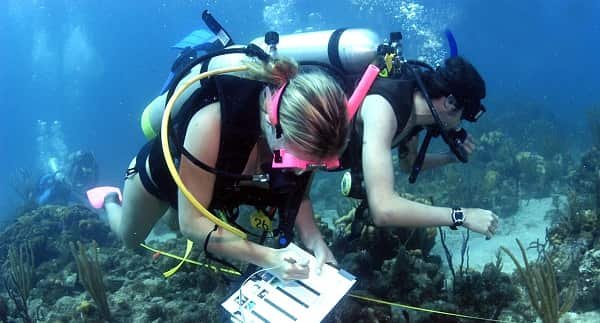
Marine Biologists study marine organisms and ecosystems to understand their behavior, interactions, and environmental challenges.
Key responsibilities include:
- Conducting marine research
- Collecting field data
- Analyzing marine ecosystems
- Studying aquatic species
- Publishing scientific findings
This is one of the most recognized careers in the marine sciences field.
2. Marine Research Scientist
Marine Research Scientists conduct advanced scientific studies related to ocean environments and marine biodiversity.
Responsibilities include:
- Designing research projects
- Performing field investigations
- Analyzing scientific data
- Supporting conservation efforts
- Developing research reports
Research roles often provide opportunities for international collaboration.
3. Oceanographer
Oceanographers study the physical, chemical, biological, and geological characteristics of oceans.
Their duties may include:
- Monitoring ocean conditions
- Studying climate impacts
- Analyzing marine processes
- Conducting field surveys
- Supporting environmental research
Oceanography plays a vital role in understanding global environmental changes.
4. Marine Environmental Consultant
Marine Environmental Consultants advise organizations on environmental compliance and sustainable marine practices.
Responsibilities include:
- Conducting environmental assessments
- Evaluating marine projects
- Supporting regulatory compliance
- Developing sustainability strategies
- Managing environmental risks
Consulting offers strong salary potential and diverse project exposure.
5. Marine Conservation Manager
Marine Conservation Managers oversee programs designed to protect marine ecosystems and biodiversity.
Key responsibilities include:
- Managing conservation initiatives
- Coordinating research teams
- Supporting policy development
- Monitoring marine habitats
- Leading environmental projects
This role combines science, leadership, and environmental stewardship.
6. Fisheries Scientist
Fisheries Scientists study fish populations and develop strategies for sustainable fisheries management.
Their work involves:
- Monitoring fish stocks
- Conducting ecological assessments
- Supporting resource management
- Evaluating environmental impacts
- Advising policy makers
Sustainable fisheries remain essential for global food security.
7. Marine Biotechnology Specialist
Marine biotechnology professionals use marine organisms to develop products and technologies for healthcare, industry, and environmental applications.
Responsibilities include:
- Marine genetic research
- Product development
- Laboratory investigations
- Biotechnology innovation
- Scientific analysis
This specialization combines marine science with biotechnology.
8. Aquaculture Manager
Aquaculture Managers oversee the farming and production of aquatic organisms.
Key duties include:
- Managing aquaculture facilities
- Monitoring production systems
- Ensuring environmental compliance
- Improving operational efficiency
- Supporting sustainable practices
Aquaculture is one of the fastest-growing sectors within marine industries.
9. Marine Mammal Specialist
Marine Mammal Specialists focus on studying and protecting whales, dolphins, seals, and other marine mammals.
Responsibilities may include:
- Behavioral research
- Population monitoring
- Conservation activities
- Data collection
- Public education initiatives
This career is particularly appealing to wildlife enthusiasts.
10. Marine Policy and Resource Manager
Marine Policy Managers develop strategies and regulations related to ocean resource management.
Their responsibilities include:
- Supporting marine governance
- Evaluating policy impacts
- Managing resource programs
- Conducting environmental assessments
- Coordinating stakeholder engagement
This role combines scientific expertise with policy and management.
Industries Hiring Marine Biology Professionals
Marine biology graduates can find opportunities in:
- Marine research institutes
- Environmental consulting firms
- Government agencies
- Conservation organizations
- Aquaculture companies
- Marine biotechnology firms
- Universities and academic institutions
- Fisheries departments
- Offshore energy companies
- International environmental organizations
The diversity of employers provides numerous career pathways.
Skills Required for Marine Biology Careers
Professionals should develop:
- Scientific research skills
- Fieldwork techniques
- Data analysis capabilities
- Environmental assessment knowledge
- Communication skills
- Problem-solving abilities
- Project management expertise
- Marine ecosystem understanding
Strong analytical and observational skills are particularly valuable.
Higher Education and Certifications
Students can strengthen their qualifications through:
- Master’s in Marine Biology
- Master’s in Oceanography
- Master’s in Environmental Science
- Master’s in Marine Biotechnology
- Fisheries Science Programs
- Marine Conservation Certifications
Advanced education often improves access to research and leadership positions.
Career Growth Opportunities
Marine biology professionals can advance into positions such as:
- Senior Marine Scientist
- Research Director
- Conservation Program Manager
- Environmental Consultant
- Marine Policy Advisor
- Marine Biotechnology Leader
- Chief Scientific Officer
Specialization and experience can significantly enhance career progression.
Future Scope of Marine Biology Careers
The future of marine biology remains highly promising due to growing investment in:
- Ocean conservation
- Climate change research
- Marine biotechnology
- Sustainable fisheries
- Coastal ecosystem management
- Renewable ocean energy
- Marine biodiversity protection
As global attention increasingly focuses on ocean sustainability, marine biology professionals will play a crucial role in protecting marine resources.
Conclusion
Marine biology offers exciting and meaningful career opportunities for individuals passionate about oceans and aquatic life. From Marine Biologist and Oceanographer to Marine Biotechnology Specialist and Marine Conservation Manager, the field provides diverse pathways across research, conservation, biotechnology, and environmental management. As governments and organizations continue investing in ocean sustainability and marine innovation, demand for skilled marine professionals is expected to grow. By developing scientific expertise, gaining field experience, and pursuing specialized education, ocean enthusiasts can build rewarding careers that contribute to the protection and understanding of the world’s marine ecosystems.
FAQs
Q: What are the highest-paying careers in marine biology?
A: Marine Environmental Consultant, Marine Biotechnology Specialist, Oceanographer, Marine Research Scientist, and Marine Conservation Manager are among the highest-paying options.
Q: Is marine biology a good career for the future?
A: Yes. Growing concerns about ocean conservation, climate change, and sustainable marine resource management are increasing demand for marine professionals.
Q: Which industries hire marine biology graduates?
A: Research institutions, environmental organizations, aquaculture companies, government agencies, marine biotechnology firms, and consulting companies frequently hire marine biology professionals.
Q: Can marine biologists work internationally?
A: Yes. Marine biology research and conservation projects are conducted worldwide, providing numerous international opportunities.
Q: What skills are important for marine biology careers?
A: Scientific research, fieldwork, environmental assessment, data analysis, communication, and marine ecosystem knowledge are highly valuable.
Q: Do marine biology careers require advanced education?
A: Many research and leadership roles benefit from master’s or doctoral degrees, although entry-level opportunities are available after graduation.